07/02/2026
How Much Is My Offshore Injury Case Worth?

An offshore accident can change everything in an instant. One moment you are doing your job on a vessel, oil rig, or offshore platform, and the next you are seriously injured, far from shore, and unsure of what happens next. The confusion that follows is normal. Medical teams are responding, supervisors are asking questions, paperwork is appearing, and you may not yet fully understand the extent of your injuries or what your rights are.
At Offshore Accident Attorney, our maritime attorneys have guided injured offshore workers and their families through exactly this situation. We understand how overwhelming the aftermath of an offshore accident can be, and we are here to help you understand what to expect and how to protect yourself. If you or a loved one has been hurt offshore, call us at (956) 232-3089 as soon as possible.
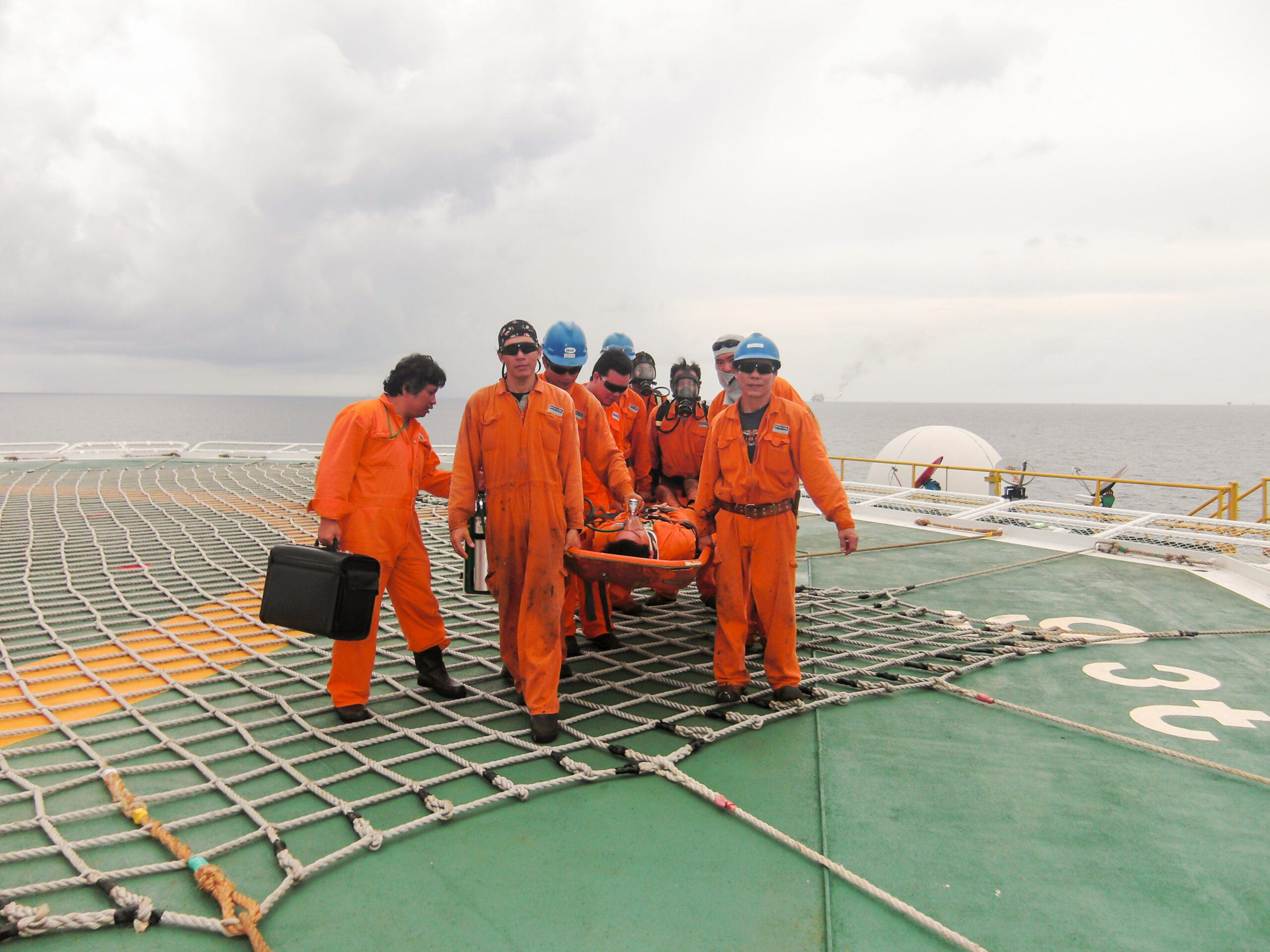
When a serious injury occurs on an offshore platform or vessel, the emergency response begins immediately. Most offshore facilities are required to maintain emergency response plans, first aid supplies, and personnel trained in basic medical care. Depending on the nature and severity of the injury, the response may include on-site stabilization by a medic or safety officer, followed by evacuation.
Offshore medical evacuations typically happen by helicopter, known as a medevac, or by fast rescue vessel depending on the distance to shore and the urgency of the situation. Helicopter evacuations are common for life-threatening injuries and can transport an injured worker directly to a trauma center or hospital equipped to handle serious maritime injuries.
After arrival at a medical facility, the treating team will assess and stabilize your condition. It is important to be honest and thorough with medical providers about how the injury occurred and every symptom you are experiencing, no matter how minor some symptoms may seem in the moment. Incomplete medical documentation at this stage can create problems for your injury claim later.
Injured offshore workers have specific rights to medical care that differ from standard workplace injury rules. Under maritime law, employers have a longstanding duty to provide injured seamen with prompt and appropriate medical treatment. This obligation exists independently of workers’ compensation systems and applies regardless of fault.
Your rights include the right to seek medical care from a qualified physician, the right to a second medical opinion if you disagree with an employer-designated doctor’s assessment, and the right to continue receiving treatment until you reach what maritime law calls maximum medical improvement. You should never feel pressured to return to work before your treating physician believes you are medically ready.
Employers and their insurers sometimes attempt to direct injured workers exclusively to company-selected doctors whose evaluations may not fully reflect the extent of the injury. Understanding that you have the right to seek independent medical evaluation is important, and exercising that right can significantly affect the outcome of your offshore injury claim.
Maintenance and cure is one of the oldest and most fundamental protections in maritime law. It provides two distinct forms of financial support to injured seamen.
Maintenance is a daily living allowance paid by the employer to cover basic expenses like housing and food while the injured worker is unable to work and recovering from a maritime injury. Cure refers to the employer’s obligation to pay for all necessary and reasonable medical treatment related to the injury until the worker reaches maximum medical improvement.
These benefits are owed regardless of who was at fault for the accident. An employer cannot withhold maintenance and cure simply because they believe the worker was responsible for the injury. Failing to provide these benefits promptly and in full is a serious violation of maritime law, and employers who wrongfully deny or delay maintenance and cure may face additional penalties.
If your employer is delaying, disputing, or denying your maintenance and cure benefits, speaking with a maritime attorney immediately is essential. Every day of denial is a day your financial stability and medical care are being compromised.
The Jones Act is a federal law that gives injured seamen the right to sue their employers for negligence. This is a significantly broader right than what most land-based workers have under standard workers’ compensation systems, which typically limit lawsuits against employers.
To bring a Jones Act claim, the injured worker must qualify as a seaman, which generally means spending a substantial portion of working time on a vessel or fleet of vessels in navigation. If you qualify, you can pursue compensation for the full range of your losses if your employer’s negligence contributed to your injury in any way.
Jones Act negligence can include unsafe working conditions, inadequate training, faulty equipment, insufficient crew, failure to follow safety protocols, or any other employer conduct that fell below a reasonable standard of care. The employer’s negligence does not need to be the sole cause of the injury. Under the Jones Act, even a slight contribution by employer negligence to the injury is sufficient to support a claim.
In addition to Jones Act negligence claims, injured maritime workers may have a separate claim based on unseaworthiness. A vessel owner has an absolute duty to ensure that the vessel and all of its equipment and gear are reasonably fit for their intended use. When a vessel or its equipment is not in a reasonably safe condition, it is considered unseaworthy.
Unseaworthiness claims do not require proving negligence. Instead, you must show that the vessel or equipment was not reasonably fit and that this condition caused or contributed to your injury. Examples of unseaworthy conditions include defective deck equipment, improperly maintained machinery, slippery or unmarked surfaces, inadequate safety gear, and crew members who are incompetent or insufficiently trained for their roles.
Unseaworthiness and Jones Act negligence claims are often pursued together, and both can support the full range of damages available to an injured offshore worker.
The compensation available to injured offshore workers goes well beyond what standard workers’ compensation provides. Depending on the applicable legal claims, an injured maritime worker may be entitled to recover:
The total value of an offshore injury claim depends on the severity of the injury, the applicable legal theories, and how thoroughly the damages are documented and presented. Workers with permanent injuries, long recovery periods, or high earning histories tend to have the largest potential claims, which is exactly why employers and their insurers work hard to limit early payouts.
The period immediately following an offshore accident is also the period during which injured workers are most vulnerable to making mistakes that can significantly harm their claims.
Maritime injury claims involve federal law, strict deadlines, and adversarial employers and insurers who move quickly to protect their own interests. The sooner an attorney is involved in your case, the sooner evidence can be preserved, witnesses can be identified, and your rights can be formally asserted.
Maritime claims have specific statutes of limitations that vary depending on the type of claim. Jones Act claims generally must be filed within three years of the injury, but other maritime claims may have shorter deadlines. Missing a filing deadline means losing the right to pursue compensation regardless of how serious the injury is or how clear the employer’s negligence was.
The experienced maritime attorneys at Offshore Accident Attorney can also help you avoid the traps that employers and insurers set in the early stages of a claim, ensure you are receiving the full maintenance and cure you are owed, and build a damages case that reflects the true and lasting impact of your injuries. Our specialization is right there in the name. Our attorneys have long known the needs of offshore workers and how hard it can be to find an organization with the right knowledge to secure justice. When you choose to work with us, you’re getting the help of a team of maritime accident attorneys who live and breathe maritime law.
Contact our maritime attorneys at (956) 232-3089 today to schedule your free consultation. We represent injured offshore workers on a contingency fee basis, meaning there are no fees unless we recover compensation for you.