
07/02/2026
How Much Is My Offshore Injury Case Worth?

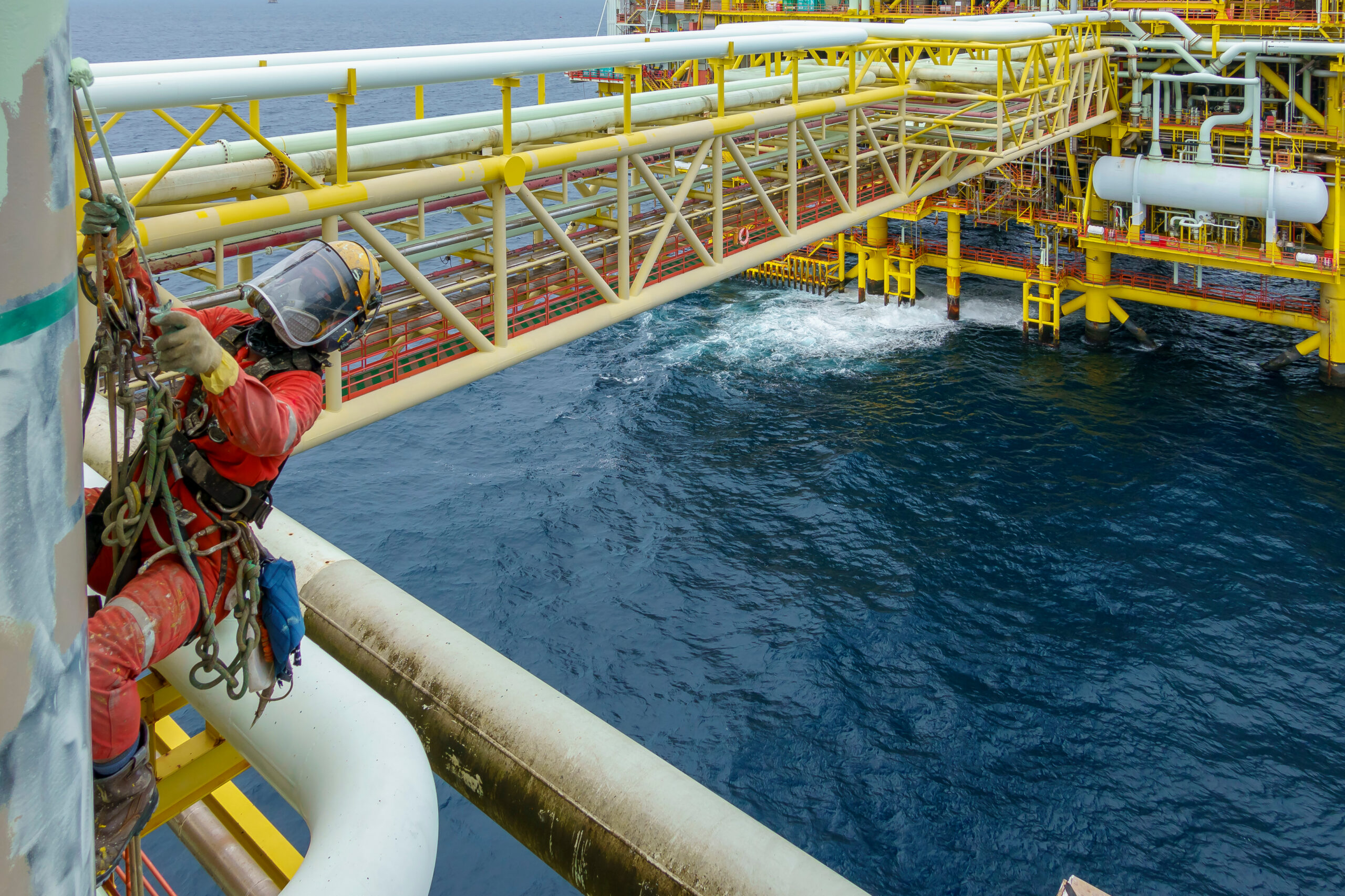
Offshore work is dangerous, but that does not mean every accident is “just part of the job.” Many offshore injuries happen because employers, vessel owners, contractors, or operators fail to provide a reasonably safe place to work. When unsafe offshore working conditions lead to a serious injury, maritime workers may have the right to pursue compensation through a maritime injury claim, Jones Act lawsuit, unseaworthiness claim, or another offshore accident claim.
If you were hurt on an oil rig, vessel, platform, barge, jack-up rig, drillship, crew boat, or other offshore worksite, you may be wondering whether the accident could have been prevented. Maybe equipment was not maintained. Maybe the crew was understaffed. Maybe you were ordered to work in dangerous weather, without proper training, or around hazards that supervisors ignored.
When an offshore injury is caused by unsafe conditions, the law may allow you to hold the responsible parties accountable.
Unsafe working conditions offshore can include any hazard that exposes workers to an unreasonable risk of injury. Offshore employers have a responsibility to follow safety procedures, maintain equipment, train workers, and address dangerous conditions before someone gets hurt.
Examples of unsafe work conditions offshore may include:
Some hazards are obvious. Others are hidden until something goes wrong. If the unsafe condition existed because someone failed to inspect, repair, warn, train, supervise, or follow safety rules, you may have grounds for an offshore injury compensation claim.
Offshore worksites involve heavy equipment, moving machinery, confined spaces, slippery surfaces, extreme weather, and long shifts. Even one ignored hazard can have devastating consequences.
Unsafe offshore working conditions can lead to injuries such as:
Many offshore accidents are preventable. A fall may happen because a walkway was not properly maintained. A hand injury may occur because machinery lacked proper guarding. A back injury may result from unsafe lifting procedures or inadequate staffing. A burn injury may happen because flammable materials were mishandled or emergency protocols were ignored.
After an accident, companies may try to frame the injury as worker error. They may say the injured worker was careless, should have noticed the hazard, or failed to follow instructions. But offshore accident investigations often reveal a deeper problem: unsafe procedures, poor training, ignored complaints, or pressure to work quickly instead of safely.
That is why it is important to look beyond the immediate incident and ask what caused the unsafe condition in the first place.
For qualifying seamen, the Jones Act is one of the most important legal protections after an offshore injury. A Jones Act claim allows an injured seaman to sue an employer when employer negligence contributed to the injury.
Jones Act negligence can include many forms of unsafe conduct, such as:
One important feature of Jones Act negligence is that the worker does not usually have to prove the employer was the only cause of the accident. If the employer’s negligence played a role in causing the injury, even partly, the worker may have a claim.
For example, if a seaman slipped on an oily deck, the employer may be liable if supervisors knew or should have known about the hazard and failed to fix it. If a worker was injured using defective equipment, the employer may be liable for failing to inspect, repair, or replace it. If a crew member was hurt because they were never trained to perform a dangerous task, that lack of training may support a maritime negligence claim.
Unsafe working conditions and unseaworthiness are closely related, but they are not always the same thing.
A vessel owner has a duty to provide a seaworthy vessel. This means the vessel, equipment, tools, and crew must be reasonably fit for their intended purpose. If a vessel is unsafe because of defective equipment, inadequate crew, unsafe gear, or dangerous conditions onboard, an injured worker may have an unseaworthiness claim.
Examples of unseaworthy conditions may include:
The main difference is that Jones Act negligence focuses on the employer’s careless or unsafe actions, while unseaworthiness focuses on the condition of the vessel and its equipment. In many offshore injury cases, both claims may apply.
Unsafe condition claims can be important because they may open the door to broader compensation than a basic injury report or employer-provided benefit.
Depending on the facts, offshore injury compensation may include:
Unsafe conditions may also strengthen a case by showing that the injury was preventable. If an employer ignored known hazards, failed to train workers, or violated safety procedures, that evidence may support a stronger offshore accident claim.
This is especially important because offshore injuries can affect a worker’s entire future. A serious back injury, head injury, burn, or crush injury may prevent someone from returning to offshore work. Even if a worker can return eventually, they may lose months of income, need surgery, or face permanent physical restrictions.
An offshore accident lawyer can investigate whether unsafe conditions contributed to the accident and identify all possible sources of compensation.
Unsafe offshore working conditions are not always easy to prove, especially when the employer controls the accident scene. That is why preserving evidence early is critical.
Helpful evidence may include:
If possible, write down what happened as soon as you can. Include where the accident occurred, what equipment was involved, who witnessed it, whether the condition had been reported before, and what supervisors said after the accident.
Do not rely only on the company’s version of events. Employers and insurers may try to minimize unsafe conditions or blame the injured worker. A maritime injury lawyer can help gather and preserve evidence before it disappears.
You should contact an offshore accident attorney as soon as possible if you believe your injury was caused by unsafe conditions. Maritime law is complex, and the type of claim available may depend on your job duties, where the accident happened, what vessel or platform was involved, and who controlled the worksite.
You should also speak with a lawyer if:
Offshore Accident Attorneys can review your case, explain your maritime injury rights, and determine whether you may have a Jones Act negligence claim, unseaworthiness claim, oil rig accident lawsuit, or other legal option.
If unsafe offshore working conditions caused your injury, you should not have to carry the consequences alone. Offshore companies are responsible for maintaining safe workplaces, properly training crews, and correcting hazards before workers are hurt.
When they fail to do so, injured maritime workers may have the right to pursue compensation.
To speak with an offshore accident lawyer, contact Offshore Accident Attorneys today. Call (956) 232-3089 or visit us online.