“I’d recommend them to anyone working offshore. They fought hard and got me a settlement that helped cover my medical bills and lost wages.”
George J.

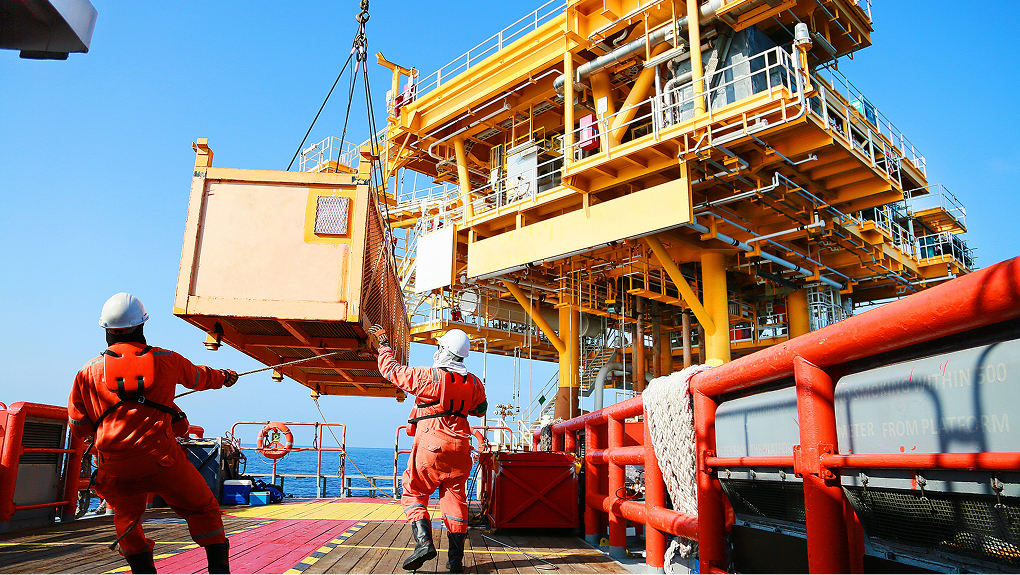
Offshore platforms and vessels are engineering marvels, but they are also high-risk environments where the smallest error can lead to catastrophic consequences. Among the most dangerous operations on any offshore facility or vessel is the use of heavy-duty cranes. An offshore crane accident can result in severe, life-altering injuries or even fatalities for rig workers, seamen, and other maritime personnel.
If you or a loved one has suffered an injury in an offshore crane accident on the Gulf Coast or anywhere in the world, you need immediate legal guidance from a firm deeply experienced in complex maritime injury litigation. At our firm, our dedicated offshore crane accident lawyers are committed to fighting for the rights of injured maritime workers, ensuring they receive the full compensation needed for their extensive medical care and long-term recovery.
Offshore cranes are indispensable for lifting massive equipment, transferring personnel, and moving vital supplies between vessels and platforms. However, their immense power, coupled with the unforgiving offshore environment, makes their operation inherently dangerous.
Most offshore crane accidents are preventable and often stem from negligence, poor maintenance, or a disregard for safety protocols. Common causes include:
The forces involved in an offshore crane accident mean that injuries are almost always severe and often catastrophic or fatal. These include:
If you are injured in an offshore crane accident, your claim will almost certainly fall under federal maritime law. The specific laws that apply depend on your employment status and the nature of the vessel or platform.
If you are a seaman (a crew member who spends a significant portion of your time working on a vessel “in navigation”), and you were injured in a crane accident on an offshore vessel (like a drilling rig, jack-up rig, barge, or support vessel), you likely have a claim under the Jones Act. This critical federal law allows you to sue your employer for negligence that caused or contributed to your injury, even if that negligence was slight. Under the Jones Act, you can seek compensation for all your damages, including medical expenses, lost wages, pain and suffering, and loss of earning capacity. You are also entitled to “maintenance and cure” benefits, covering your living expenses and medical treatment until you reach maximum medical improvement, regardless of fault.
For offshore workers who do not qualify as “seamen” (e.g., certain land-based workers, contractors on fixed platforms, or harbor workers), injuries sustained in an offshore crane accident may be covered by the Longshore and Harbor Workers’ Compensation Act (LHWCA). This federal workers’ compensation program provides benefits for medical expenses, temporary or permanent disability, and vocational rehabilitation without the need to prove employer fault.
Beyond the Jones Act, seamen can also bring claims under General Maritime Law, particularly for unseaworthiness. This principle holds vessel owners strictly liable for providing a vessel that is reasonably fit for its intended purpose. An unseaworthy condition could include a defective crane, inadequate safety equipment, or an unqualified crane operator.
The Occupational Safety and Health Administration (OSHA) sets specific safety regulations for crane operations, including those in maritime settings. While OSHA does not directly provide a cause of action, a violation of OSHA regulations by your employer or another responsible party can serve as strong evidence of negligence in your Jones Act or general maritime law claim.
Offshore crane accident cases are among the most challenging and complex personal injury claims. They demand highly specialized legal knowledge, extensive resources, and a fierce commitment to your rights.
Our legal team understands the critical importance of immediate and comprehensive investigation. We will:
In offshore crane accidents, liability can be shared among multiple parties. We will meticulously identify all potentially responsible entities, which may include the vessel owner or operator, your employer, the crane manufacturer or component manufacturer, third-party maintenance or inspection companies, the general contractor, or other contractors on the platform/vessel.
Catastrophic crane injuries often require lifelong medical care, rehabilitation, and lead to significant loss of income. We work with life care planners, vocational experts, and economists to meticulously calculate all your damages, ensuring you receive comprehensive compensation for:
Prioritize your safety and seek immediate emergency medical attention, even for seemingly minor injuries. Report the incident to your supervisor and ensure an official accident report is filed. If safe, document the scene, the crane, and your injuries with photos. Do not give recorded statements or sign anything from your employer or their insurer without first consulting with a maritime attorney.
Generally, the statute of limitations for maritime personal injury claims, including those under the Jones Act and General Maritime Law, is three years. However, specific circumstances can lead to shorter deadlines. It is crucial to contact a maritime attorney as soon as possible to protect your rights.
Under maritime law’s “comparative negligence” rule, even if you were partially at fault for your injuries, you may still be able to recover compensation. Your damages would be reduced by your percentage of fault, but you are not barred from recovery.
“Maintenance and cure” are no-fault benefits provided to injured seamen under general maritime law. Maintenance covers your basic living expenses while you recover, and cure covers all necessary and reasonable medical expenses related to your injury until you reach maximum medical improvement.
Your employer has a duty to provide medical care, but you have the right to choose your own physician for an unbiased medical opinion. Be wary of any pressure to see specific doctors or transfer you before your condition is stable. Consult your attorney immediately if you feel pressured or if your medical care is being compromised.
A catastrophic injury from an offshore crane accident can forever change your life, leaving you with severe physical pain, emotional trauma, and significant financial burdens. You deserve a legal team that understands the unique dangers of offshore work and the complexities of maritime law. At our form, our Gulf Coast Offshore Crane Accident Lawyers have a proven track record of successfully representing severely injured maritime workers. We are prepared to leverage our extensive knowledge and resources to hold negligent parties accountable and fight tirelessly for the maximum compensation you deserve.
Don’t face the powerful oil and gas companies alone. Protect your rights and future today.