11/03/2025
Understanding the Longshore and Harbor Workers’ Compensation Act (LHWCA)
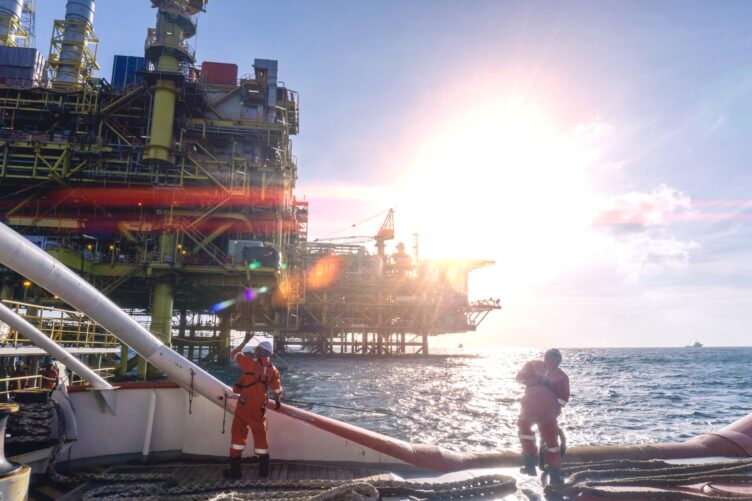
At Falcon Offshore Injury, we witness firsthand how fatigue ranks as one of the deadliest, most preventable dangers on rigs, vessels, and platforms. When corporate negligence allows exhaustion to fuel offshore accidents, our nationwide legal team knows how to fight back. We understand that grueling 12-to-18-hour shifts and chronic understaffing aren’t just “part of the job.” They are hazards that turn routine tasks into catastrophes.
If you or a loved one has suffered a maritime injury, you need a battle-tested crew that knows the law of the sea. Our attorneys leverage deep knowledge of the Jones Act and unseaworthiness claims to protect your rights and secure the compensation you deserve.
The offshore industry operates on a 24/7 cycle where time is money, and rest is often viewed as a luxury. Crew members routinely work 12-hour shifts for 14 to 28 days straight, but the reality on the deck is often much harsher.
Federal guidelines generally cap work at 12 hours in a 24-hour period, but violations are rampant. As companies try to squeeze every cent of profit out of a project, they often push crews beyond legal limits. Chronic understaffing forces remaining workers to take on excessive overtime, while unpredictable Gulf storms can wipe out scheduled rest periods, forcing skeleton crews to work through the night to secure equipment.
Even when a worker is “off the clock,” true recovery is rare. Sleeping quarters offshore are often:
Perhaps the most dangerous factor is a corporate culture that silences fatigue warnings. High-stakes pressure for “zero errors” often leaves no room for complaints. Workers frequently mask their exhaustion to avoid being labeled as “weak” or facing retaliation from supervisors. At Falcon Offshore Injury, we uncover these systemic patterns through crew depositions and manpower logs, exposing the human cost of corporate corner-cutting.
Fatigue does more than make you tired; it physically and mentally rewires how you function. Research, including NASA fatigue studies adapted for maritime use, shows that exhausted workers suffer reaction times equivalent to a .08% blood alcohol impairment.
When a worker is sleep-deprived, their brain begins to fail in predictable, dangerous ways:
Complex machinery requires 100% focus. Fatigue causes roughnecks to fumble valve handles, crane operators to misread hand signals, and control room technicians to botch emergency shutdown sequences during a crisis. Our team meticulously reconstructs these chains of error to prove that exhaustion was the direct cause of the accident.
Under maritime law, shipowners and rig operators have a “non-delegable” duty to provide a safe working environment. When they fail to manage offshore fatigue, they are committing a safety violation.
Operators often engineer fatigue through deliberate shortcuts, such as:
When a company slashes headcount to boost quarterly earnings, they create a foreseeable hazard. If an understaffed crew leads to a wreck or injury, juries often deliver crushing liability verdicts. Industry standards demand staggered shifts and fatigue training, but all too often, profit motives trump compliance.
The physical toll of unsafe working conditions offshore is devastating. When coordination and situational awareness vanish, the following injuries become common:
If you’ve been injured due to exhaustion or overwork, you have specific rights that differ from land-based workers’ compensation.
The Jones Act allows seamen to sue their employers for negligence. Proving that an employer managed shifts poorly or ignored fatigue complaints can lead to a recovery that covers medical bills, lost earning capacity, and pain and suffering.
A vessel doesn’t have to be sinking to be “unseaworthy.” If a rig or ship is understaffed or the crew is so exhausted they cannot perform their duties safely, the vessel is considered unfit for its intended purpose. This allows for a claim against the vessel owner regardless of specific negligent acts.
This is a basic right for any injured seaman. It requires your employer to pay for your medical treatment (“cure“) and provide a daily living allowance (“maintenance“) until you reach maximum medical improvement.
If you are involved in a fatigue-related incident, the actions you take in the following hours and days are critical for your legal protection.
At Falcon Offshore Injury, we specialize in helping Gulf Coast residents and workers nationwide who have suffered life-altering injuries. We will subpoena crewing manifests, pull black box data, and hire sleep study experts to prove your case.
Don’t let a negligent corporation shift the blame onto you. Contact a maritime attorney today at (956) 232-3089 for a free consultation. We are your lifeline in the fight for justice.