03/09/2026
Can I Sue After an Offshore Accident Caused by Faulty Equipment?

Offshore workers face some of the most dangerous conditions of any profession. Heavy machinery, unpredictable weather, complex equipment systems, and demanding physical work make injuries common. What many workers do not realize is that the law gives them powerful protections when unsafe vessel conditions contribute to an accident. One of the most important of these protections is the right to file an unseaworthiness claim.
Unseaworthiness does not refer to whether a vessel can float. Instead, it focuses on whether the vessel, its equipment, and its crew are reasonably fit for their intended use. When a vessel is unsafe in any practical sense and a worker is injured, the vessel owner can be held legally responsible regardless of whether the employer acted negligently or intended any harm.
The maritime accidents attorneys of Offshore Accident Attorney, powered by the Falcon Law Group, represents injured offshore workers across the country and helps them understand their rights under maritime law. Unseaworthiness claims are often misunderstood, but they are a critical pathway to compensation for many injured seamen, deckhands, rig workers, and crew members.
Unseaworthiness is a legal concept under general maritime law. A vessel is considered unseaworthy when any condition on board makes it unsafe for the crew. This includes the condition of the equipment, the tools, workspaces, and even the staffing levels and competence of the crew.
Unlike standard workplace safety rules, unseaworthiness is a strict liability doctrine. This means the vessel owner is responsible for providing a seaworthy vessel at all times. The injured worker does not have to prove negligence. The worker only needs to show that the unseaworthy condition existed and played a role in the injury.
For offshore workers, this is a significant protection. Many maritime accidents happen because of poorly maintained equipment, improper procedures, or short-handed operations. Unseaworthiness claims help workers recover compensation for injuries that could have been prevented if the vessel had been reasonably safe.
Many offshore workers assume only catastrophic failures qualify as unseaworthy conditions. In reality, even seemingly minor hazards can make a vessel unseaworthy. A vessel may be legally unseaworthy if it has:
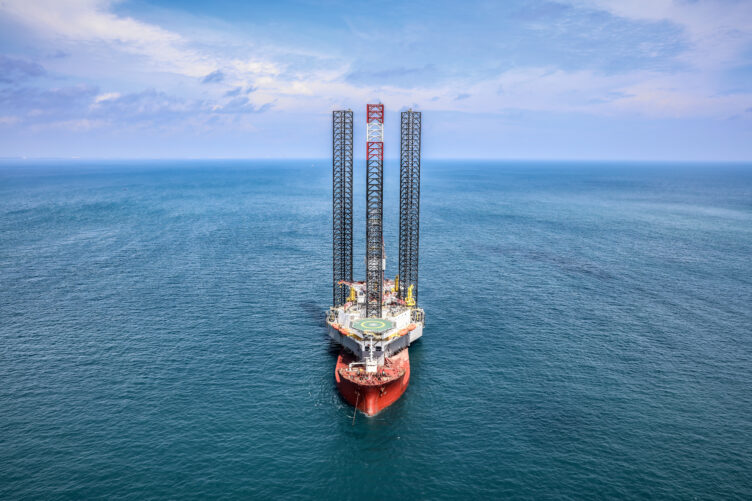
These conditions are surprisingly common across offshore vessels, including OSVs, jack-up rigs, semi-submersibles, production platforms, drilling ships, and cargo barges. There are many conditions that can make a vessel unseaworthy, so if you’re unsure whether you accident counts under regulations regarding vessel readiness, contact an experienced offshore accident attorney to clarify.
When a vessel is not reasonably safe, accidents are far more likely. Unseaworthy conditions can cause injuries in many situations, including:
Even if the employer did not act negligently, the vessel owner can still be held responsible when the vessel is unseaworthy. Offshore accidents often involve both unsafe equipment and unsafe procedures, giving workers multiple legal options.
Unseaworthiness and Jones Act negligence are separate but related claims. Many workers qualify for both. Understanding the difference helps injured workers recognize the full range of their legal rights.
Jones Act negligence focuses on employer behavior. To recover under the Jones Act, a worker must show that the employer was careless or failed to provide a safe workplace.
Whereas, unseaworthiness focuses on the condition of the vessel itself. The vessel owner is liable if the vessel was not reasonably safe, even if the employer acted responsibly.
Offshore workers typically pursue both claims, along with maintenance and cure benefits, to maximize their recovery.
Despite being a strict liability claim, unseaworthiness still requires evidence. Workers must show:
Evidence in these cases may include:
It is important to act quickly because vessel owners often repair or remove unsafe equipment immediately after an accident. Because of the nature of offshore work, it can be difficult to capture evidence of unseaworthiness, but it is important to keep in mind how powerful direct evidence can be and capture as much as you can. Offshore Accident Attorney has extensive experience preserving evidence in these cases to protect workers’ rights.
Offshore workers injured due to an unseaworthy vessel may be entitled to significant compensation. Available damages can include:
Workers pursuing unseaworthiness claims often have additional rights under the Jones Act or general maritime law, so it is important to consult a maritime injury lawyer. An experienced offshore accident attorney will be able to give you an estimate as to the amount of compensation you may be able to receive but there is no guarantee until your case is officially settled.
Taking the right steps after an offshore accident can make a major difference in the outcome of an unseaworthiness claim. Workers should:
Workers should be cautious about relying on company doctors or adjusters. Their goal is often to minimize the company’s liability, not to protect the worker. Make your own, private doctor’s appointment and then take that record to your attorney to ensure an accurate diagnosis that hasn’t been tipped in the company’s favor.
Unseaworthiness claims are one of the most powerful tools offshore workers have after an injury. They allow workers to hold vessel owners accountable when equipment, crew, or working conditions are unsafe, and they provide an important pathway to medical and financial recovery.
The maritime accident lawyers of Offshore Accident Attorney represent offshore workers nationwide who have been injured due to unseaworthy vessels, unsafe equipment, poor maintenance, and hazardous conditions. Our firm investigates the cause of the accident, collects critical evidence before it disappears, and pursues every available avenue for compensation under maritime law.
If you suffered an injury offshore and believe unsafe vessel conditions played a role, call one of our trusted maritime accidents lawyers at Offshore Accident Attorney. Contact us today at (956) 232-3089 for your free, confidential consultation. Let us go to work to protect your rights at sea and help you understand the full scope of your legal options.