

01/03/2026
Common Equipment Failures That Lead to Offshore Injuries (and Who’s Liable)
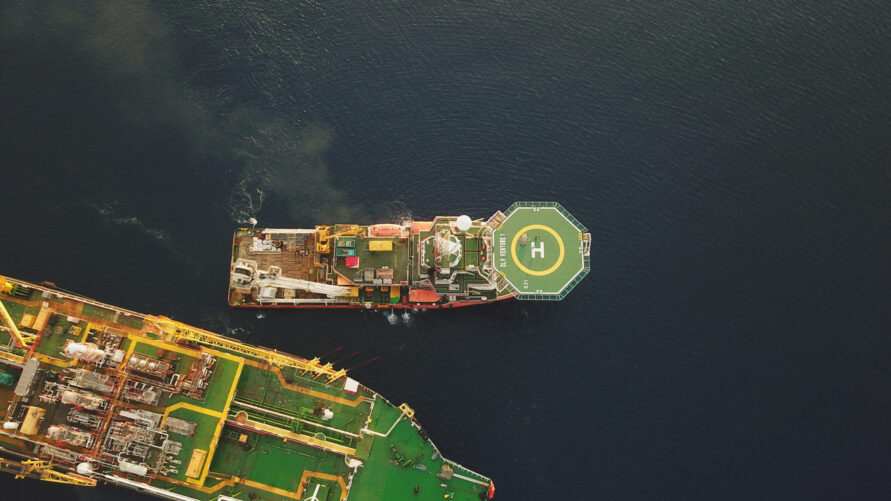
Offshore support vessels (OSVs) play a critical role in the offshore oil and gas industry. These vessels transport supplies, move anchors, assist with rig positioning, carry personnel, and support drilling and production operations around the world. Although OSVs are essential to offshore work, they are also among the most hazardous maritime environments. Their fast-paced operations, heavy machinery, limited workspace, and constant exposure to rough seas create a setting where even a small mistake can lead to a catastrophic injury.
Many crew members do not realize that many OSV accidents are preventable and often result from unsafe working conditions, vessel negligence, or failures in maintenance and safety practices. Under maritime law, injured offshore workers have powerful rights, including the ability to seek compensation through the Jones Act, unseaworthiness claims, and maintenance and cure benefits.
The Offshore Accident Attorney team represents injured workers nationwide and is dedicated to helping OSV crews understand these rights and recover the compensation they deserve.
Offshore support vessels are a broad category of maritime vessels that operate in offshore oil and gas fields. Although they differ in design and purpose, all OSVs work in challenging environments that combine industrial operations with unpredictable sea conditions.
Common types of OSVs include:
The variety of vessel types highlights the broad range of risks that crew members face each day. Whether working on deck, assisting with crane operations, or navigating unpredictable weather, OSV workers often encounter hazards that demand continuous awareness and proper safety procedures.
Working aboard an OSV requires handling powerful equipment and performing complex tasks in tight quarters. Maritime injuries frequently occur when employers fail to maintain equipment or enforce proper procedures.
Common hazards include:
These hazards exist on nearly all OSVs, regardless of size or purpose. Proper training, equipment maintenance, supervision, and safe work procedures are essential, yet many accidents occur because companies fail to implement these basic protections.
Although OSV work is inherently challenging, many injuries stem from avoidable negligence. When a maritime employer fails to provide a reasonably safe workplace, injured workers may pursue a Jones Act negligence claim.
Accidents aboard OSVs often result from:
In addition to employer negligence, a vessel may be legally unseaworthy if its equipment, crew, or conditions are not reasonably safe. Workers may pursue both unseaworthiness and Jones Act claims to secure their recovery.
Due to the dangerous nature of OSV work, injuries can be severe and life changing. Many workers require long-term treatment, surgery, or rehabilitation.
Common OSV injuries include:
These injuries often create long-term physical, emotional, and financial burdens. Workers should not assume that these accidents are simply part of offshore work. Many are the result of preventable failures in training, equipment, or safety procedures.
Offshore workers injured aboard OSVs have powerful legal rights. Maritime law recognizes the dangers of offshore work and provides avenues for compensation that go beyond typical workers compensation.
Key protections include:
Jones Act negligence: Workers may recover damages when an employer’s negligence contributes to an injury. This may involve unsafe procedures, poor training, inadequate staffing, or failure to maintain equipment.
Unseaworthiness: A vessel is unseaworthy if any condition on board makes it unsafe. This includes defective equipment, unsafe work areas, or untrained crew members. Details are available on the Maritime Injury Lawyer page.
Maintenance and cure: Injured seamen are entitled to daily living expenses and medical treatment until they reach maximum medical improvement.
Wrongful death claims: Families of workers killed aboard OSVs may pursue compensation under general maritime law. More information can be found on the Offshore Wrongful Death page.
Offshore Accident Attorney handles all types of offshore injury claims and guides workers through the legal process from start to finish.
Taking the right steps after an offshore injury can make a significant difference in your case and your recovery.
Workers should:
OSV operators and employers often attempt to limit their liability by offering quick settlements or pressuring workers to return to duty. Getting legal assistance early is important for protecting your rights.
Working aboard Offshore support vessels involves real risk, but injured workers do not have to face the consequences alone. Whether the accident resulted from unsafe equipment, untrained crew, poor maintenance, or an unseaworthy vessel, offshore workers have extensive rights under maritime law.
Offshore Accident Attorney stands with injured crew members across the country. The firm investigates the cause of OSV accidents, preserves evidence before it disappears, interviews witnesses, and consults with maritime experts to build a strong case. Our mission is to hold negligent companies accountable and ensure injured workers and their families receive the compensation needed to rebuild their lives.
If you or a loved one has been hurt aboard an OSV, contact us today at (956) 232-3089 to schedule a free, confidential consultation with an experienced OSV accident attorney. Our team is ready to explain your legal rights and fight for your future.