03/09/2026
Maintenance and Cure Explained: What Injured Seamen Are Entitled to Receive
When equipment fails on an offshore platform or vessel, the consequences can be catastrophic. If you were injured in an offshore accident and suspect that defective or poorly maintained equipment played a role, you may have legal options that go well beyond standard maritime benefits. Understanding who can be held accountable and how those claims work is the first step toward getting the full compensation you deserve.
At Falcon Offshore Injury, we represent injured offshore workers and their families in complex maritime cases across the Gulf Coast. This guide explains when equipment failure opens the door to a lawsuit, who may be liable, and why these cases often result in significantly higher compensation than standard claims.
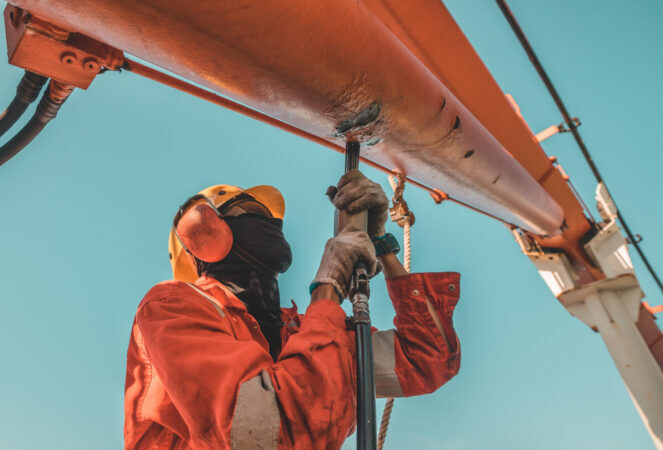
Offshore environments depend on heavy, complex machinery operating under extreme conditions. When any part of that system fails, workers bear the consequences. The most frequently involved equipment in offshore accident claims includes:
These components are often manufactured, installed, or maintained by third-party contractors, a fact that becomes critically important when determining liability.
Not every equipment malfunction automatically gives rise to a lawsuit. To pursue a claim based on faulty equipment, there generally needs to be evidence that the equipment was defective in its design, manufactured with a flaw, improperly maintained or inspected, used outside of its intended purpose due to inadequate warnings, or modified in a way that made it unreasonably dangerous.
Defects can be present from the moment a piece of equipment leaves the factory, or they can develop over time due to neglect, improper servicing, or exposure to harsh offshore conditions. In either case, the key question is whether the failure could and should have been prevented, and who bears responsibility for that failure.
One of the most important distinctions in offshore equipment cases is the difference between what your employer owes you and what a third-party manufacturer or contractor may owe you separately.
Under maritime law, your employer has a duty to provide a seaworthy vessel and a reasonably safe working environment. If the employer knew about a defect and failed to address it, or required workers to use equipment that was not fit for purpose, employer liability may apply. However, employer liability under frameworks like the Jones Act or general maritime law often limits the scope of what can be recovered.
Manufacturer liability operates differently. If a piece of equipment was defective when it left the factory, or if a maintenance contractor failed to service it properly, those parties can be sued independently of your employer. This is where offshore product liability claims become powerful tools for injured workers.
General maritime law recognizes product liability claims against manufacturers, distributors, and suppliers of defective equipment used in offshore environments. These claims typically fall into three categories:
Pursuing a product liability claim in a maritime context requires understanding how federal admiralty law intersects with applicable state law, which can vary depending on where the accident occurred, the type of vessel or platform involved, and the nature of the work being performed. This is not a straightforward area of law, and having an attorney who understands these intersections is essential.
A third-party claim is a lawsuit filed against someone other than your employer, most commonly a manufacturer, equipment supplier, maintenance contractor, or subcontractor whose negligence or defective product contributed to your injury. These claims exist separately from and in addition to any benefits you may receive through your employer or their insurer.
The process generally involves:
Third-party claims can run concurrently with employer-based maritime claims, meaning you are not forced to choose between them. An experienced maritime injury lawyer will pursue every available avenue simultaneously.
Standard maritime benefits, whether through the Jones Act, the Longshore and Harbor Workers’ Compensation Act, or unseaworthiness claims, provide an important foundation of recovery. But they have limits. Third-party product liability claims operate outside those limits and can add substantial additional compensation, including:
In cases where multiple parties share liability, the total compensation available can be significantly greater than what any single claim would produce on its own. This is why a thorough investigation into the equipment involved in your accident is so important from the very beginning.
If you were injured offshore and equipment failure was involved in any way, you should speak with an attorney before accepting any settlement, signing any documents, or making recorded statements to any insurance company or employer representative.
Evidence in equipment failure cases can disappear quickly. Machinery gets repaired or replaced, maintenance records get lost, and witnesses move on. The sooner an attorney can begin preserving evidence and identifying all liable parties, the stronger your case will be.
At Falcon Offshore Injury, we handle the full scope of offshore accident claims, from initial investigation through settlement or trial. Our team understands the technical and legal challenges of equipment failure cases and knows how to build claims that account for every source of liability and every category of loss.
Contact us today at (956) 232-3089 to schedule your free and confidential consultation. If faulty equipment played a role in your injury, you may be entitled to far more than you’ve been told.